The “off-year” elections belong to the Democratic party. This is due to lack of voter interest and the sheer number of judicial positions that come up for election.
If I am doing my math correctly, there are about nine positions on Philadelphia’s Common Pleas Court that will come up for election, and three on Municipal Court. The term for Common Pleas Court is ten years, and for Municipal Court, it is six years.
Theoretically, any attorney may run for judge, but without the endorsement of the Democratic Party (and/or a really good ballot lottery number) it is an uphill climb.
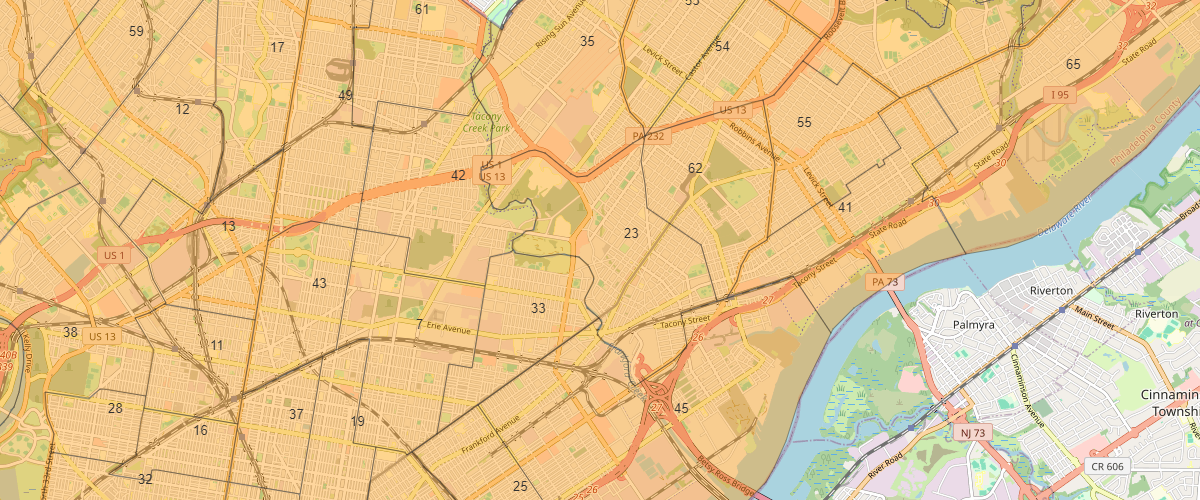
To start the process, the Philadelphia Democratic Party convenes the policy committee. This is a group of Ward Leaders who are tasked with listening to attorneys come in, one by one, and make their pitches. Usually, each attorney gets fifteen minutes – five minutes for a quick speech, and ten minutes for question and answer. After listening to all the attorneys, the policy committee makes its recommendation to the full body of Ward Leaders who vote on the endorsements.
The party endeavors to present a diverse slate of qualified attorneys to the electorate, and of course, there is a bit of horse-trading that occurs behind the scenes. The entire process to get to an endorsed slate may take two or three weeks.
There are a number of other factors in play as well, and we will explore them in our next post.